 sales@rajsuriindustries.com
 +91 9867293805
 Mon - Sat
10:00 - 7:00
Mon - Sat
10:00 - 7:00 
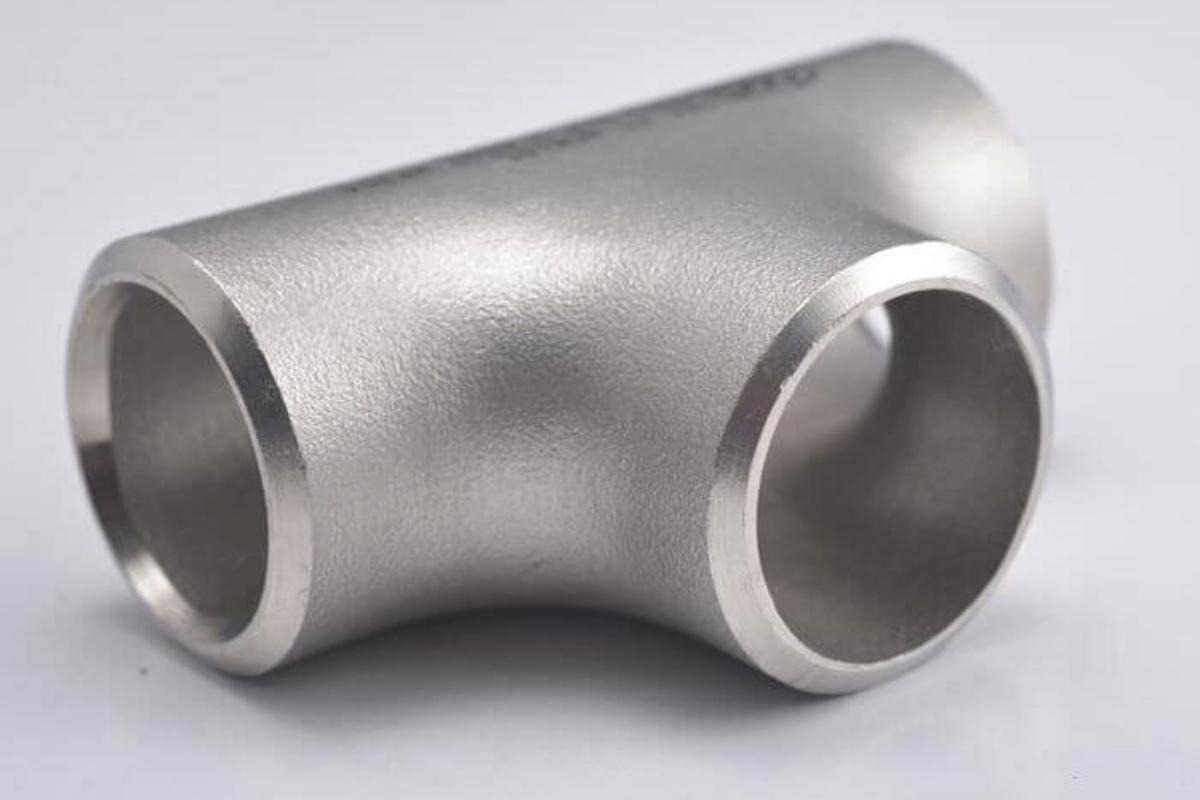
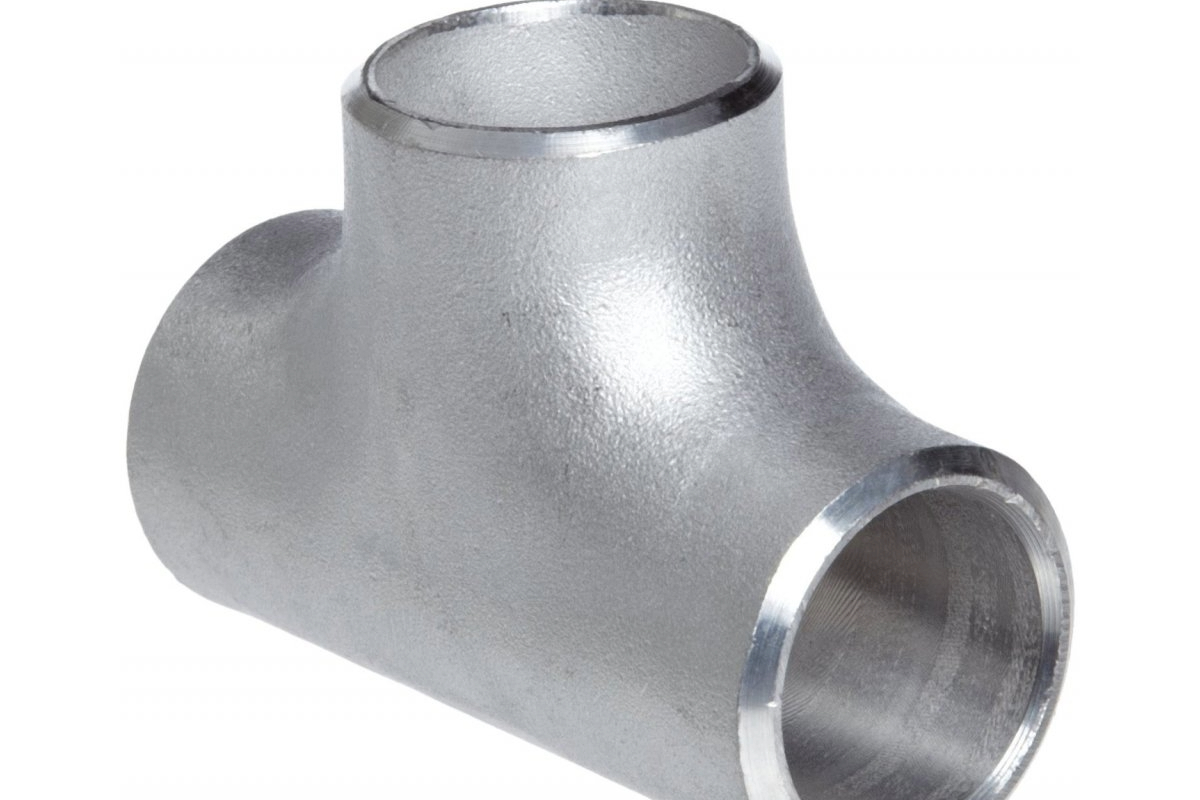
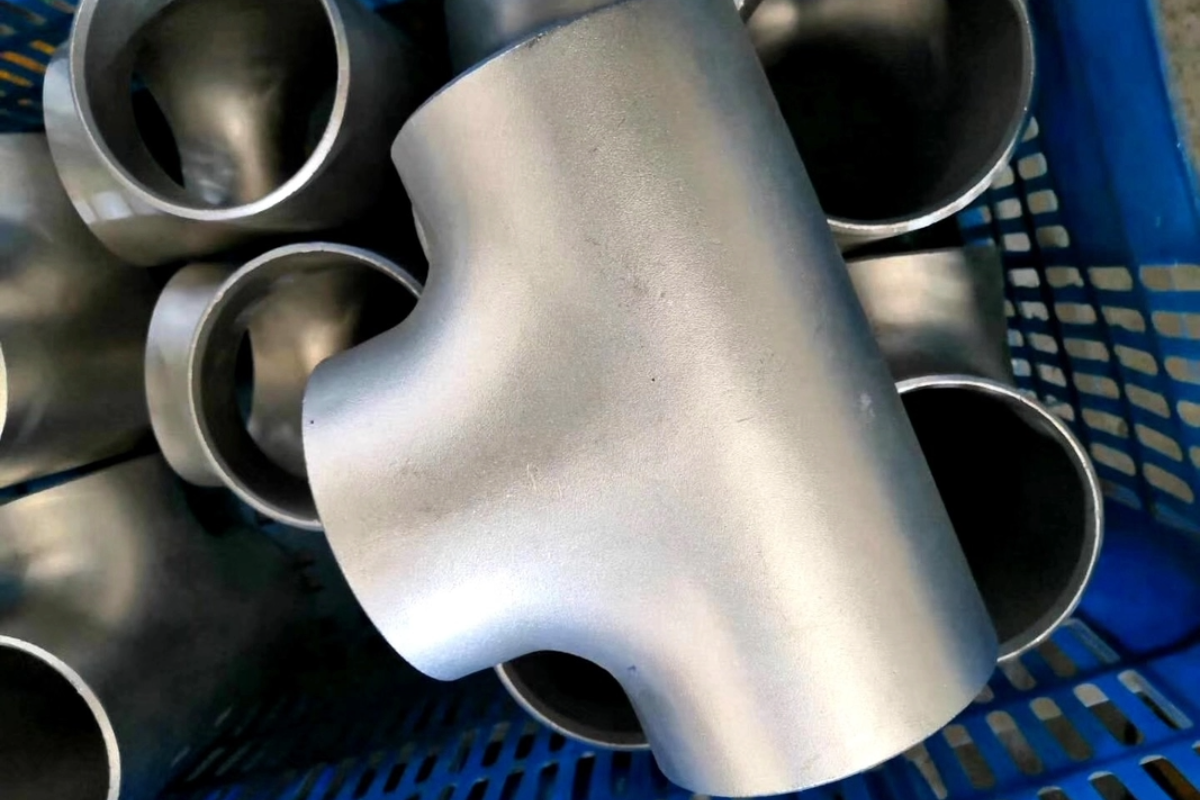
A buttweld tee is a pipe fitting used to combine or split fluid flow in a piping system. It resembles the shape of the letter “T” and features one inlet and two outlets, or vice versa, typically at 90-degree angles. Buttweld tees are commonly used in high-pressure applications and are welded directly to the pipe, creating a strong, leak-proof connection. There are two main types: equal tees, where all three ends are the same diameter, and reducing tees, where the branch size is smaller than the main run. They are manufactured according to standards like ASME B16.9 and are available in materials such as carbon steel, stainless steel, and alloy steel. Sizes typically range from ½ inch to 48 inches. Buttweld tees are widely used in industries such as oil and gas, power generation, and chemical processing, offering durability, strength, and smooth flow characteristics.
Specifications
| Type of Tee | Branch Angle | Branch Size | Usage | Common Standards | Applications |
|---|---|---|---|---|---|
| Equal Tee | 90° | Same as run pipe | Dividing or combining flow evenly | ASME B16.9, MSS-SP-75 | Water, oil, gas, HVAC |
| Reducing Tee | 90° | Smaller than run pipe | Connecting smaller branch to main line | ASME B16.9, MSS-SP-75 | Process piping, chemical plants |
| Barred Tee | 90° | Same or smaller | Prevent pigging tools from entering branch | Custom/Fabricated | Pig launcher/receiver systems |
| Lateral Tee (Y-Tee) | 45° | Same or smaller | Smooth directional flow | ASME B16.9 (fabricated) | High-flow systems, drain piping |
Grades
| Material Type | Standard | Grade | Key Features / Application |
|---|---|---|---|
| Carbon Steel | ASTM A234 | WPB | General-purpose use; widely used in oil, gas, and water lines |
| ASTM A420 | WPL6 | For low-temperature services (LTCS) | |
| ASTM A860 | WPHY 42–WPHY 70 | High-yield strength, suitable for high-pressure environments | |
| Stainless Steel | ASTM A403 | WP304 / WP304L | Good corrosion resistance, general use |
| ASTM A403 | WP316 / WP316L | Better corrosion resistance, especially in marine/chemical use | |
| ASTM A403 | WP321 / WP347 | Stabilized for high-temperature service | |
| Alloy Steel | ASTM A234 | WP5, WP9, WP11, WP22 | Used in power plants, refineries—high temp/pressure |
| ASTM A335 | P5, P11, P22 | Pipe grades often matched with fittings for seamless systems |
Types of Tees
This is the most common type of tee, where all three ends (two on the run and one on the branch) have the same diameter. It's used to either combine or split flow evenly in a piping system. Equal tees are widely used in general process piping across industries like oil, gas, water treatment, and power.
In this type, the branch outlet is smaller than the run pipe diameter. It’s used when there’s a need to connect a smaller line to a larger main line, helping reduce flow or direct it to a smaller process system. Reducing tees are essential in systems where different pipe sizes must be joined.
barred tee is essentially an equal or reducing tee with a bar welded across the branch outlet. This bar prevents pipeline cleaning tools (pigs) from entering the branch. They are used mainly in pig launcher/receiver systems in pipeline infrastructure.
Unlike the 90-degree branch in standard tees, a lateral tee has the branch outlet angled at 45 degrees. This design offers smoother flow transition and reduces turbulence, making it ideal for high-flow or directional flow systems like drainage or chemical processing lines.
Applications of Buttweld Tees
1. Oil and Gas Industry:
Used extensively in pipelines for transporting crude oil, natural gas, and refined products. Buttweld tees help branch lines for metering stations, processing units, and distribution.
2. Petrochemical Plants:
Used in process piping systems to handle chemicals and hydrocarbons under high pressure and temperature. Reducing tees are common for size transitions between process lines.
3. Power Plants:
Applied in both fossil fuel and nuclear plants for steam, water, and gas flow systems. High-strength alloy steel tees are used for their durability and resistance to extreme conditions.
4. Water Treatment and Distribution:
Used in municipal and industrial water systems for branching pipelines in both clean and wastewater networks. Stainless steel tees resist corrosion in water-rich environments.