 sales@rajsuriindustries.com
 +91 9867293805
 Mon - Sat
10:00 - 7:00
Mon - Sat
10:00 - 7:00 
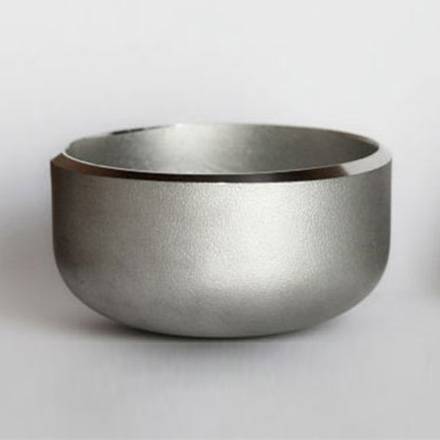
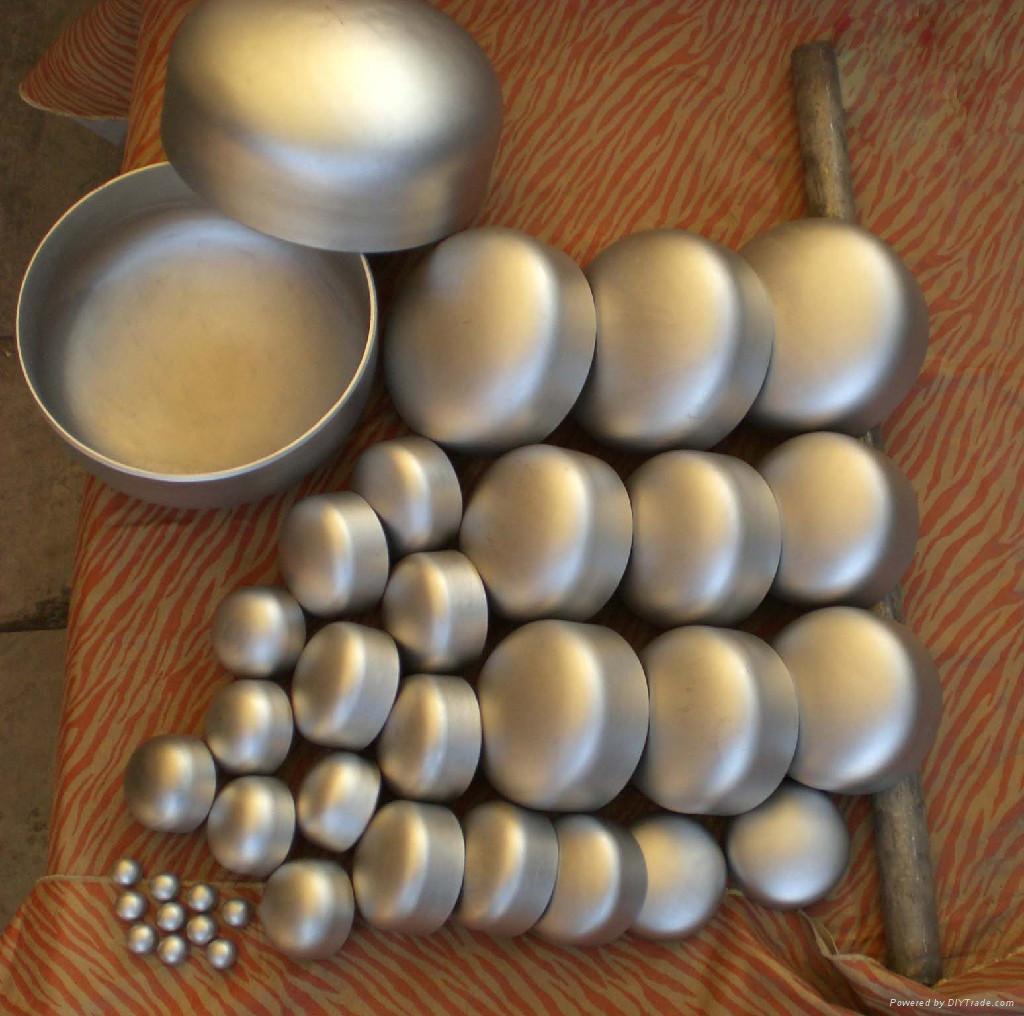
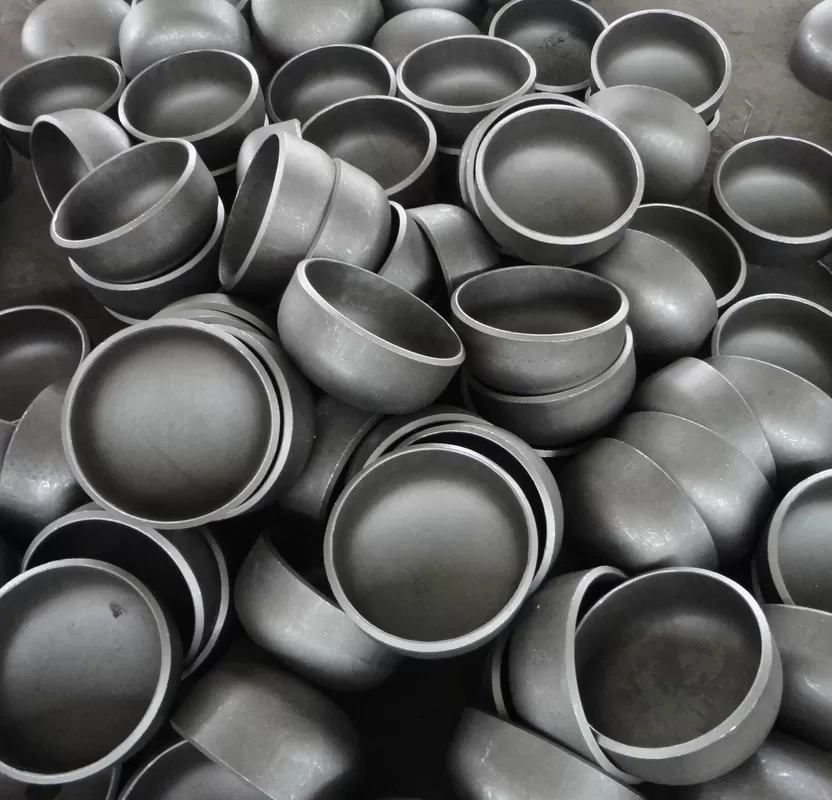
A buttweld cap is a type of pipe fitting used to seal the end of a piping system. It is welded to the end of a pipe or a fitting to stop the flow of fluid or gas, providing a secure and leak-proof closure. These caps are typically made from materials such as carbon steel, stainless steel, and alloy steel, depending on the application and service environment. The welding process provides a strong joint, making buttweld caps ideal for high-pressure and high-temperature systems.
Buttweld caps are manufactured according to standards such as ASME B16.9, and they are available in a wide range of sizes, typically from ½ inch to 48 inches. They are commonly used in industries such as oil and gas, petrochemical, power generation, and water treatment. In addition to sealing pipelines, they can also serve as inspection ports or testing points when temporarily removed.
The smooth internal surface of the buttweld cap ensures minimal turbulence and pressure drop, maintaining the integrity of the flow system when in use. Their durability, leak resistance, and ease of installation make them a reliable choice for permanently or temporarily capping pipe ends.
Specifications
| Specification | Details |
|---|---|
| Material Specifications | - Carbon Steel: ASTM A234 WPB, ASTM A105 - Stainless Steel: ASTM A403 WP304, WP316, WP304L, WP316L - Alloy Steel: ASTM A234 WP5, WP9, WP11 - Low-Temperature Steel: ASTM A420 WPL6 - Duplex and Super Duplex Steel: ASTM A815 |
| Size Range | Typically from ½ inch to 48 inches; custom sizes available |
| Wall Thickness | Available in Schedule 40, Schedule 80, Schedule 160 |
| Pressure Rating | Ranges from 150 psi to 1500 psi (depends on material and wall thickness) |
| Connection Type | Buttweld (full-penetration weld for a durable, leak-proof seal) |
| Standards | ASME B16.9 (factory-made fittings) MSS SP-75, API 5L (specific applications) |
| Temperature Rating | Typically from -50°C to 900°C, depending on material used |
| Surface Finish | Machined finish or polished (for stainless steel) |
| Types | End Caps (permanent sealing) Testing Caps (temporary sealing during testing) |
Grades
| Type | Grades | Size Range | Wall Thickness | Pressure Rating | Temperature Rating | Connection Type |
|---|---|---|---|---|---|---|
| Carbon Steel Buttweld Caps | ASTM A234 WPB, ASTM A105 | ½ inch to 48 inches | Schedule 40, Schedule 80, Schedule 160 | 150 psi to 1500 psi | -50°C to 450°C | Buttweld (full-penetration weld) |
| Stainless Steel Buttweld Caps | ASTM A403 WP304, ASTM A403 WP316, ASTM A304L, WP316L | ½ inch to 48 inches | Schedule 40, Schedule 80, Schedule 160 | 150 psi to 1500 psi | -50°C to 900°C | Buttweld (full-penetration weld) |
| Alloy Steel Buttweld Caps | ASTM A234 WP5, ASTM A234 WP9, ASTM A234 WP11 | ½ inch to 48 inches | Schedule 40, Schedule 80, Schedule 160 | 150 psi to 1500 psi | 450°C to 900°C | Buttweld (full-penetration weld) |
| Low-Temperature Steel Buttweld Caps | ASTM A420 WPL6 | ½ inch to 48 inches | Schedule 40, Schedule 80, Schedule 160 | 150 psi to 1500 psi | -50°C to -196°C | Buttweld (full-penetration weld) |
| Duplex & Super Duplex Steel Buttweld Caps | ASTM A815 | ½ inch to 48 inches | Schedule 40, Schedule 80, Schedule 160 | 150 psi to 1500 psi | -50°C to 900°C | Buttweld (full-penetration weld) |
Types of Caps
Carbon steel buttweld caps are commonly used in the manufacturing and piping industries. They are designed to cap the end of a pipe and are often used in systems requiring medium to high strength and durability. These caps are available in grades such as ASTM A234 WPB and ASTM A105, which provide a balance of strength and corrosion resistance suitable for various industrial applications. Carbon steel buttweld caps are used in systems carrying water, oil, and gas, among others. They can handle pressures ranging from 150 psi to 1500 psi and temperatures from -50°C to 450°C, depending on the schedule (40, 80, or 160) selected.
Stainless steel buttweld caps are used in applications where high corrosion resistance and strength are required, especially in harsh environments. These caps are available in grades like ASTM A403 WP304, ASTM A403 WP316, and ASTM A304L, making them suitable for chemical, petrochemical, food processing, and pharmaceutical industries. Stainless steel caps are highly resistant to corrosion, oxidation, and high temperatures (ranging from -50°C to 900°C). They come in various sizes, from ½ inch to 48 inches, and are available in schedules 40, 80, and 160.
Alloy steel buttweld caps are designed for high-strength applications where temperature and pressure resistance are essential. These caps are used in industries such as power generation, refineries, and petrochemicals. Common grades for alloy steel caps include ASTM A234 WP5, ASTM A234 WP9, and ASTM A234 WP11. Alloy steel caps can operate under high pressure (150 psi to 1500 psi) and temperatures ranging from 450°C to 900°C, making them suitable for more demanding environments. These caps are also available in a range of sizes and wall thicknesses, ensuring compatibility with different piping systems.
Low-temperature steel buttweld caps are designed specifically for applications that require resistance to extreme cold conditions. These caps are primarily used in industries dealing with cryogenic fluids or low-temperature operations. The grade ASTM A420 WPL6 is commonly used for low-temperature steel caps. They are capable of handling temperatures as low as -196°C, making them ideal for industries like LNG, natural gas, and deep-sea applications. Their pressure rating is also between 150 psi and 1500 psi, and they come in sizes ranging from ½ inch to 48 inches.
Duplex and super duplex steel buttweld caps combine the strength of ferritic and austenitic steels. These caps offer exceptional resistance to corrosion, particularly in environments where chloride-induced stress corrosion cracking is a concern, such as offshore oil rigs, chemical plants, and marine systems. Commonly used grades include ASTM A815. These caps can withstand high pressures and temperatures, ranging from 150 psi to 1500 psi and temperatures up to 900°C. Duplex and super duplex steel buttweld caps are ideal for highly corrosive applications that require high strength and corrosion resistance.
Applications of Buttweld Caps
1. Pipeline Systems:
Used to seal unused or excess pipeline sections in various industries like oil and gas.
2. Oil & Gas:
Seals pipes for pressure containment and isolation during maintenance.
3. Petrochemical & Chemical Processing:
Isolates piping sections in harsh chemical environments.
4. Food & Beverage:
Ensures hygiene by sealing pipes in food and drink production.