 sales@rajsuriindustries.com
 +91 9867293805
 Mon - Sat
10:00 - 7:00
Mon - Sat
10:00 - 7:00 
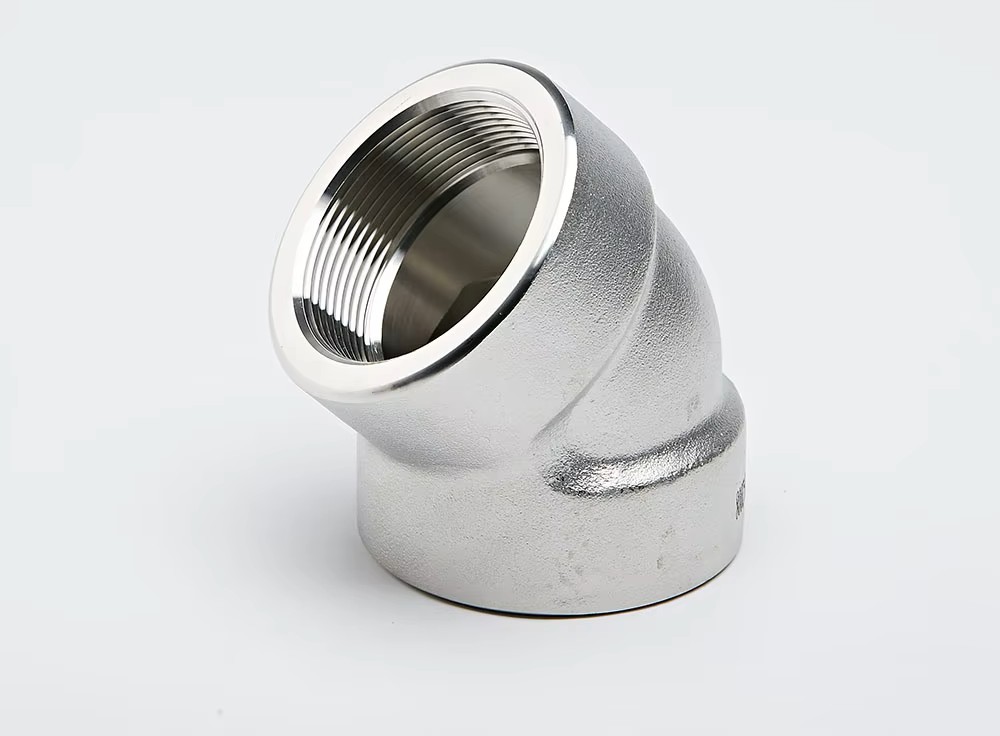
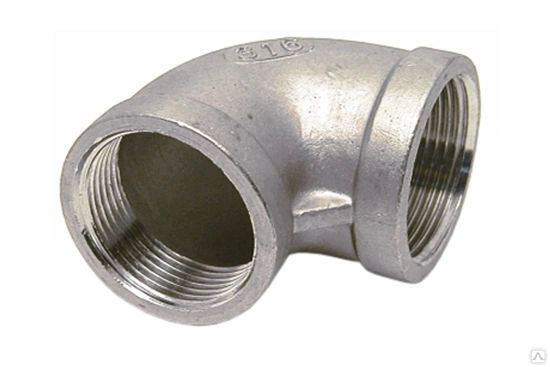
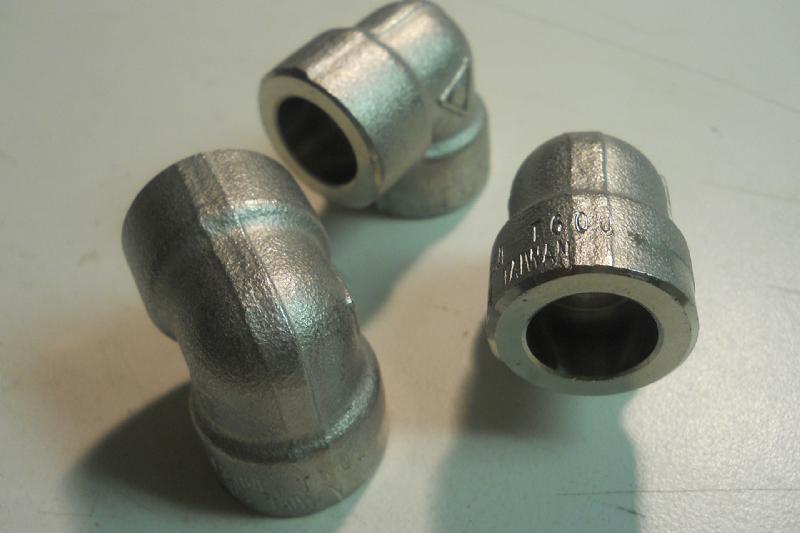
Forged elbows are essential pipe fittings used to change the direction of a piping system. They are manufactured through a high-pressure forging process, which improves their strength, durability, and resistance to high-pressure and high-temperature environments. Forged elbows are commonly available in 45°, 90°, and 180° angles, allowing for flexibility in pipeline design.
These fittings are made from materials such as carbon steel (ASTM A105), stainless steel (ASTM A182 F304, F316), and alloy steels (ASTM A182 F5, F9) to meet the needs of different industries. They come in various pressure ratings, such as Class 2000, Class 3000, and Class 6000, depending on the system's requirements. Forged elbows are widely used in oil and gas, chemical processing, power generation, and shipbuilding, where reliable, high-performance connections are critical. They ensure secure, leak-resistant connections and can withstand mechanical stress, thermal fluctuations, and corrosive environments.
Specifications
| Specification | Details |
|---|---|
| Standards | ASME B16.11, MSS SP-79, MSS SP-83 |
| Size Range | Typically 1/8” to 4” NPS (Nominal Pipe Size) |
| Pressure Ratings | Class 2000, Class 3000, Class 6000, Class 9000 |
| Material Grades | Carbon Steel: ASTM A105 Stainless Steel: ASTM A182 F304, F316 Alloy Steel: ASTM A182 F5, F9 |
| Connection Types | Socket Weld (SW), Threaded (NPT) |
| Angles | 45°, 90°, 180° (Other custom angles available) |
| Temperature & Pressure | High-temperature and high-pressure environments |
| Applications | Oil & Gas, Chemical Processing, Power Plants, Shipbuilding, Petrochemical |
| Forming Process | Manufactured by hot forging (improves material strength) |
Grades
| Material Grade | Description | Applications |
|---|---|---|
| ASTM A105 (Carbon Steel) | Standard grade for general-purpose forged elbows in standard pressure and temperature conditions. | General piping systems, oil and gas, power plants. |
| ASTM A350 LF2 (Carbon Steel) | Low-temperature steel for use in cryogenic or low-temp pipelines. | Low-temperature service, cryogenic systems, cold environments. |
| ASTM A182 F304 (Stainless Steel) | General-purpose stainless steel with good corrosion resistance. | Chemical processing, food industry, power generation. |
| ASTM A182 F316 (Stainless Steel) | Corrosion-resistant stainless steel, ideal for more aggressive environments. | Marine, chemical processing, offshore, food processing. |
| ASTM A182 F5 (Alloy Steel) | Alloy steel for high-temperature service. | Power plants, steam lines, high-temperature piping. |
| ASTM A182 F9 (Alloy Steel) | Higher pressure and temperature alloy steel for more demanding environments. | Power generation, high-pressure systems, steam systems. |
| ASTM A182 F11 (Alloy Steel) | High-pressure, high-temperature steel for extreme conditions. | High-temperature services, industrial steam systems. |
| ASTM A182 F51 (Duplex Stainless Steel) | Duplex stainless steel for enhanced corrosion resistance and strength. | Offshore applications, chemical processing, marine. |
| ASTM A182 F53/F55 (Super Duplex Stainless Steel) | Super duplex steel for highly corrosive environments. | Seawater pipelines, offshore platforms, petrochemical industry. |
| Inconel, Monel, Hastelloy (Nickel Alloys) | Nickel-based alloys for extreme high-temperature and corrosive environments. | Aerospace, chemical plants, petrochemical, nuclear industries. |
45° Forged Elbow
A 45° forged elbow is a type of pipe fitting used to change the direction of flow in a pipeline by 45 degrees. It is often used in piping systems to create a slight change in the direction of the pipeline, offering greater flexibility when designing a system. The 45° angle is commonly chosen when the angle of change needs to be less than 90° but more than a straight run.
Specifications
| Specification | Details |
|---|---|
| Standards | ASME B16.11, MSS SP-79, MSS SP-83 |
| Size Range | Typically 1/8” to 4” NPS (Nominal Pipe Size) |
| Pressure Ratings | Class 2000, Class 3000, Class 6000, Class 9000 |
| Material Grades | Carbon Steel: ASTM A105 Stainless Steel: ASTM A182 F304, F316 Alloy Steel: ASTM A182 F5, F9 |
| Connection Types | Socket Weld (SW), Threaded (NPT) |
| Temperature & Pressure | Suitable for high-temperature and high-pressure environments. |
| Angle | 45° angle for direction change in pipelines. |
| Applications | Oil & Gas, Chemical Processing, Power Plants, Shipbuilding, Petrochemical |
| Forming Process | Manufactured by hot forging (improves material strength). |
90° Forged Elbow
A 90° forged elbow is a pipe fitting used to change the direction of flow in a piping system by 90 degrees. It is one of the most common types of elbows used in various industrial piping systems. This fitting is crucial for creating sharp turns in a pipeline and is widely utilized when there is a need to redirect the flow of liquids or gases at a right angle.
Specifications
| Specification | Details |
|---|---|
| Standards | ASME B16.11, MSS SP-79, MSS SP-83 |
| Size Range | Typically 1/8” to 4” NPS (Nominal Pipe Size) |
| Pressure Ratings | Class 2000, Class 3000, Class 6000, Class 9000 |
| Material Grades | Carbon Steel: ASTM A105 Stainless Steel: ASTM A182 F304, F316 Alloy Steel: ASTM A182 F5, F9 |
| Connection Types | Socket Weld (SW), Threaded (NPT) |
| Temperature & Pressure | Suitable for high-temperature and high-pressure environments. |
| Angle | 90° angle for sharp direction change. |
| Applications | Oil & Gas, Chemical Processing, Power Plants, Shipbuilding, Petrochemical |
| Forming Process | Manufactured by hot forging (enhancing material strength). |